KEYNOTE SPEAKER · ADVISOR · EDUCATOR

Student.Customer.Employee.Citizen.Patient.Person.

Thirty years in business and education, one guiding conviction: organisations create value when they make a positive difference to every person they touch.

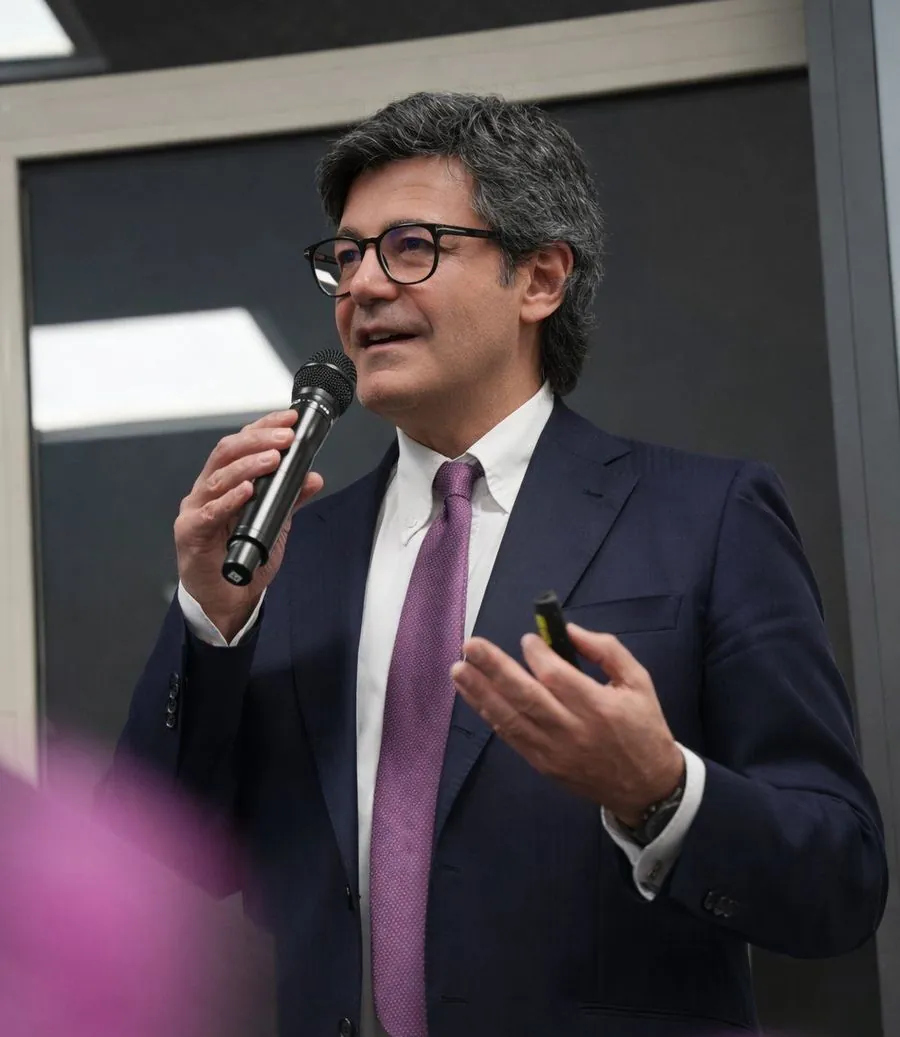
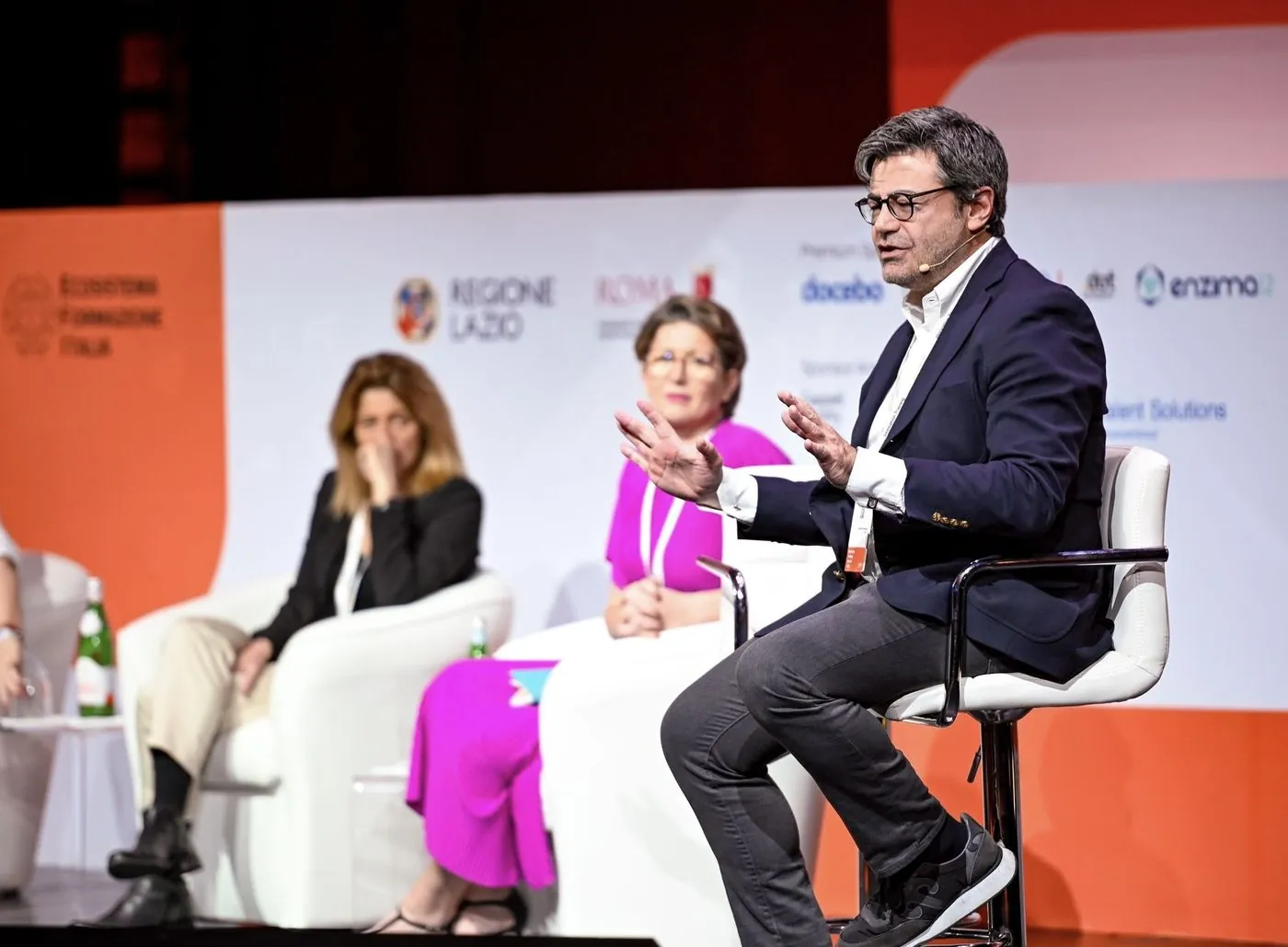
Pier Paolo Bucalo speaking on stage with a microphone
“What we do matters. But how we do it shapes people’s experiences and, over time, our results.”Pier Paolo Bucalo

Topics

What he speaks about

The Human Factor

Behind every role is a person. Student, customer, employee, citizen, patient: throughout our lives we take on many roles, but we remain human. Yet organisations tend to fragment their understanding of people into functions, processes and categories.

HR studies employees, marketing analyses consumers, and sales teams observe customers. Too often, these insights remain separate, even though they concern the very same people.

Recognising both what we have in common and what makes each of us unique enables organisations to overcome this fragmentation and design better experiences. Behind every interaction with an organisation is a person whose needs, emotions and expectations extend beyond the role they happen to occupy.

What the audience takes away

  • Understand why there is always a person behind every role, with needs, emotions and expectations.
  • Recognise how fragmented insights into human behaviour limit organisational effectiveness.
  • Discover the value of bringing together different disciplines and perspectives to design truly human-centred experiences.

Ideal for

Corporate conventions, conferences, institutional gatherings and executive teams.

Schedule a call
The Person Before the Leader

Leadership starts with oneself. Can someone be a good leader without first being a good person? Leading is not simply about setting objectives, assigning tasks or giving directions. It also means listening, taking responsibility for one’s behaviour, setting an example and building trust.

“Your actions speak so loud I can’t hear what you’re saying.”

A manager may say they value people, but everyday actions show whether those words are credible. Authority does not simply come with a title; it is built through consistency between what we say and what we do.

There is another responsibility that is often overlooked: communicating a message is not enough. We must care about what the other person actually understood and about the impact of our words and actions.

Good leadership therefore starts with working on oneself, understanding one’s impact and putting people before one’s position.

What the audience takes away

  • Reflect on the connection between human qualities, personal behaviour and leadership credibility.
  • Understand how leading by example, listening and caring for people build trust.
  • Recognise that what matters is not only what we say or do, but also the effect we have on others.

Ideal for

Corporate conventions, leadership events, managers and team leaders.

Schedule a call

You Get What You Reward

People and organisations tend to adapt their behaviour to what is measured and rewarded. Incentive systems can, however, generate distorting effects. Even a reward system designed with the best intentions can generate the opposite of what was intended: prioritising quantity over quality, fostering internal competition rather than collaboration, or improving one metric at the expense of others. From the Cobra Effect to CEO compensation, an exploration of the often unexpected consequences of incentives.

The challenge is to understand not only the results we want, but also the behaviours we are actually encouraging people to adopt.

What the audience takes away

  • Understand how incentive systems influence individual and organisational behaviour.
  • Recognise the main distortions generated by goals, bonuses and KPIs, through concrete examples and real cases.
  • Reflect on how to design reward systems that align behaviour, quality of experience and organisational results.

Ideal for

Corporate conventions, middle managers, functional leaders, HR executives, CEOs and senior management.

Schedule a call

Customers Don’t Come First

Customer Experience is the outward expression of internal culture. Companies say they put customers at the centre, yet often overlook the people who must deliver on that promise every day.

Customer experience depends on more than product quality, processes or technology. It also grows out of employees' working conditions, organisational culture and the behaviours a company encourages or discourages.

Leadership, autonomy, trust and incentives influence how employees solve problems, make decisions and relate to customers.

That is why Customer Experience and Employee Experience should not be managed as separate worlds. You cannot ask people to deliver an experience to customers that their own organisation does not allow them to have.

What the audience takes away

  • Understand why customer experience cannot be better than the experience of the employees delivering it.
  • Recognise how leadership, autonomy and incentives influence employee behaviour.
  • Identify the connections between Employee Experience, Customer Experience and business performance.

Ideal for

Corporate conventions, sales leadership, marketing, Customer Experience, HR and management.

Schedule a call

Fairness Is Not Sameness

It’s about giving each person what they need to grow. Not everyone is motivated in the same way. Feedback that encourages one person can hold another back. Some people need autonomy, others reassurance, a challenge or clear direction.

A common leadership mistake is assuming that an approach that works with one person will work just as well with everyone else.

But leading starts with knowing people: understanding individual motivations, sensitivities, abilities and expectations. The same behaviour, words and pressures can produce profoundly different effects.

A good leader therefore adapts communication, motivation, delegation and feedback while maintaining shared standards and equal dignity for all.

Because treating everyone the same does not necessarily mean treating everyone fairly.

What the audience takes away

  • Understand why people respond differently to the same stimuli, messages and behaviours.
  • Recognise the importance of tailoring feedback, delegation, motivation and support to the individual.
  • Distinguish fairness from uniformity, valuing individual differences without abandoning shared standards.

Ideal for

Team leaders, middle managers, HR executives, management conventions and leadership programmes.

Schedule a call

AI: Who Is It For?

Technology is changing work and relationships. But whose interests are we serving? What happens when artificial intelligence seems more empathetic than many doctors? Not because it is ‘human’, but because it is always available, listens without rushing and uses kind words. When a machine seems to care more for someone than a professional can, the problem is not the machine: it is the system we have built.

Introducing AI does not, by itself, improve productivity or experience. Its real impact depends on three variables:

How employees use it. It can free up time and unlock capabilities, or erode motivation, autonomy and a sense of responsibility when supervising and correcting algorithms becomes the real job.

How it affects the customer experience. It can make service faster and more accessible, or slower, colder and more impersonal. Customers do not care about the technology: they care about how they are treated.

Why the organisation introduces it. The difference lies not in the technology but in the purpose behind its adoption: to cut costs or to serve people. The challenge is not to choose between people and machines, but to design a collaboration in which AI strengthens skills, autonomy and the quality of relationships rather than undermining them.

What the audience takes away

  • How AI changes the work of those who use it: employees’ motivation, autonomy and skills.
  • How AI changes the experience of those on the receiving end, and when automation improves rather than worsens it.
  • The purpose behind adopting AI, so that it serves people and not just cost reduction.

Ideal for

Conferences and conventions on innovation and digital transformation, leadership and executive meetings (CEOs and senior management), and events for HR, Customer Experience and Customer Care.

Schedule a call

From Curing to Caring

The quality of care depends not only on clinical skills, but also on how patients are listened to, informed and involved in their care journey. Clinically flawless treatment does not, on its own, guarantee a good care experience. A patient may receive the right therapy without understanding why, feel unheard or be excluded from decisions about their health.

“People don’t care how much you know until they know how much you care.”

Patient Experience spans the entire care journey: from the first request for information to diagnosis, from treatment to follow-up. It is not simply patient satisfaction; it concerns the actual quality of listening, interactions, communication and coordination among professionals. All of this can also influence treatment adherence, safety and health outcomes. Because every act of care is also a meeting between people.

Caring therefore means combining technical and relational competence, while creating the organisational conditions that allow doctors and other professionals to give people the attention they need. Asking clinicians to be more empathetic is not enough: we must design processes, environments and service models that enable genuinely patient-centred care.

What the audience takes away

  • Understand why Patient Experience contributes to clinical effectiveness, not just patient satisfaction.
  • Recognise the value of the therapeutic relationship through listening, communication, empathy, compassion and patient involvement in decisions.
  • Rethink processes, organisational culture and measurement systems to improve the care experience while supporting the wellbeing of healthcare professionals.

Ideal for

Healthcare conferences and conventions, hospital executives, doctors and health professionals, healthcare management, universities and medical education programmes.

Schedule a call

Every Company Gets the Shareholders It Deserves

The tension between short-term results and long-term value creation. Who really sets a company’s priorities? The pressure to deliver quarterly results and CEO incentive schemes can push management to improve today’s numbers at the expense of tomorrow’s value.

Short-term decisions are not the problem; making them the goal is. Cost cutting, postponed investments and aggressive commercial policies can improve the quarter while eroding employee and customer experiences. The damage is not immediately visible, and that is what makes it dangerous: by the time it reaches the accounts, those who took the decisions have already been rewarded and have often left the company.

Precisely in order to create lasting value for shareholders, the CEO should be accountable not only for financial results, but also for Employee Experience and Customer Experience. And the relationship works both ways: through its own governance and incentive choices, a company also helps attract shareholders committed to sustainable growth, or investors interested only in immediate returns.

Financial results are subject to controls that are independent of management. Employee and customer experience, by contrast, is often measured by the very functions accountable for it, and no function can certify its own work. This is where the Chief Experience Officer (CXO) comes in: monitoring EX and CX independently, flagging risks to the top of the organisation in good time, and working with HR and Marketing to improve those experiences without taking over their managerial responsibilities. Where the role sits must reconcile independence of judgement with operational effectiveness.

The point is not to add a box to the organisation chart, but to bring into governance the oversight of a strategic risk that can destroy value long before it shows up in the accounts.

What the audience takes away

  • Understand how shareholder expectations and CEO incentives shape a company’s time horizon.
  • Recognise why the effects of short-term decisions can emerge years later, once the immediate results have already been rewarded.
  • Consider how to bring independent monitoring of Employee and Customer Experience into governance, and where the Chief Experience Officer should sit.

Ideal for

Boards of directors, CEOs, institutional investors, private equity and corporate governance events.

Schedule a call
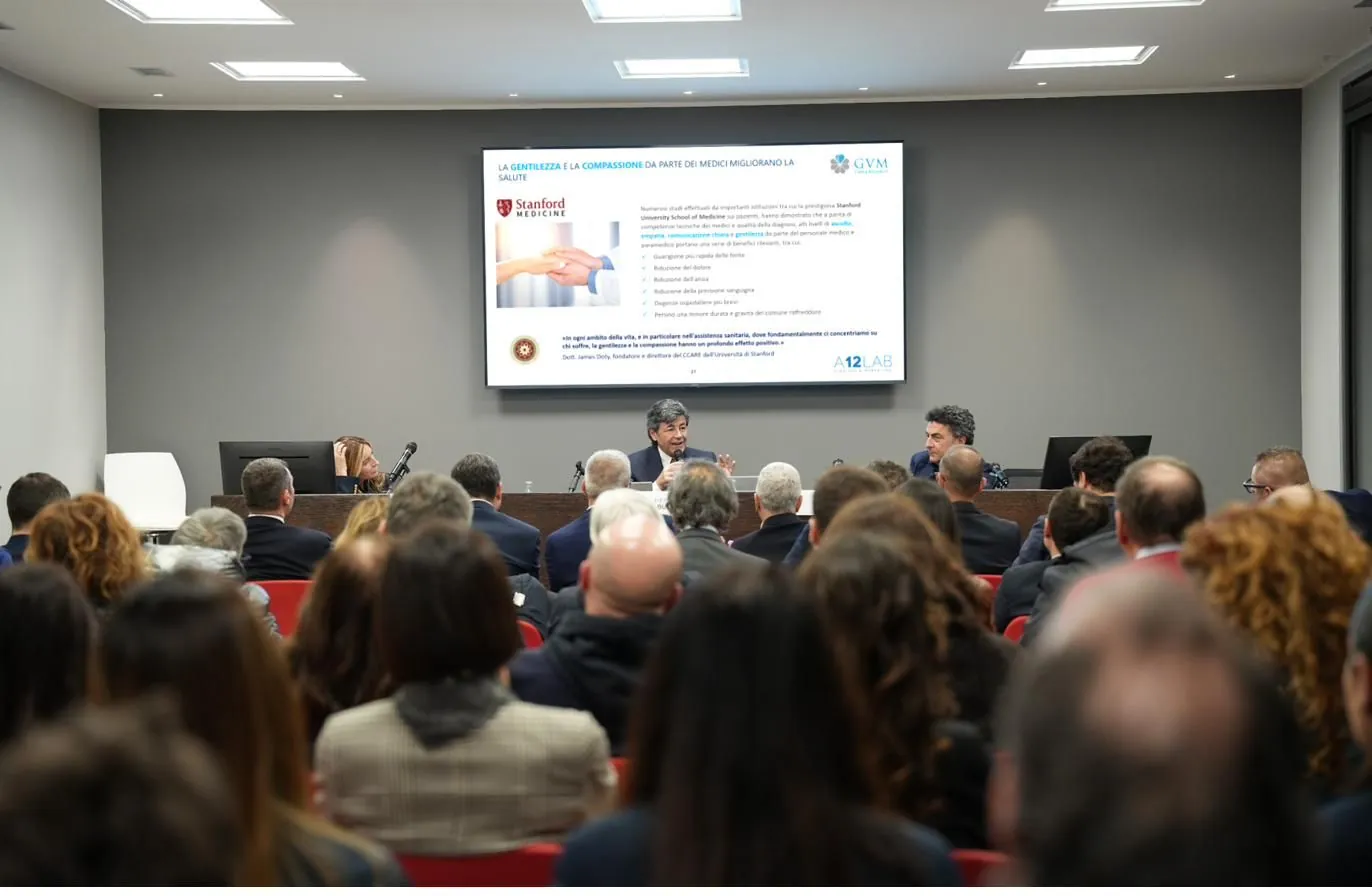
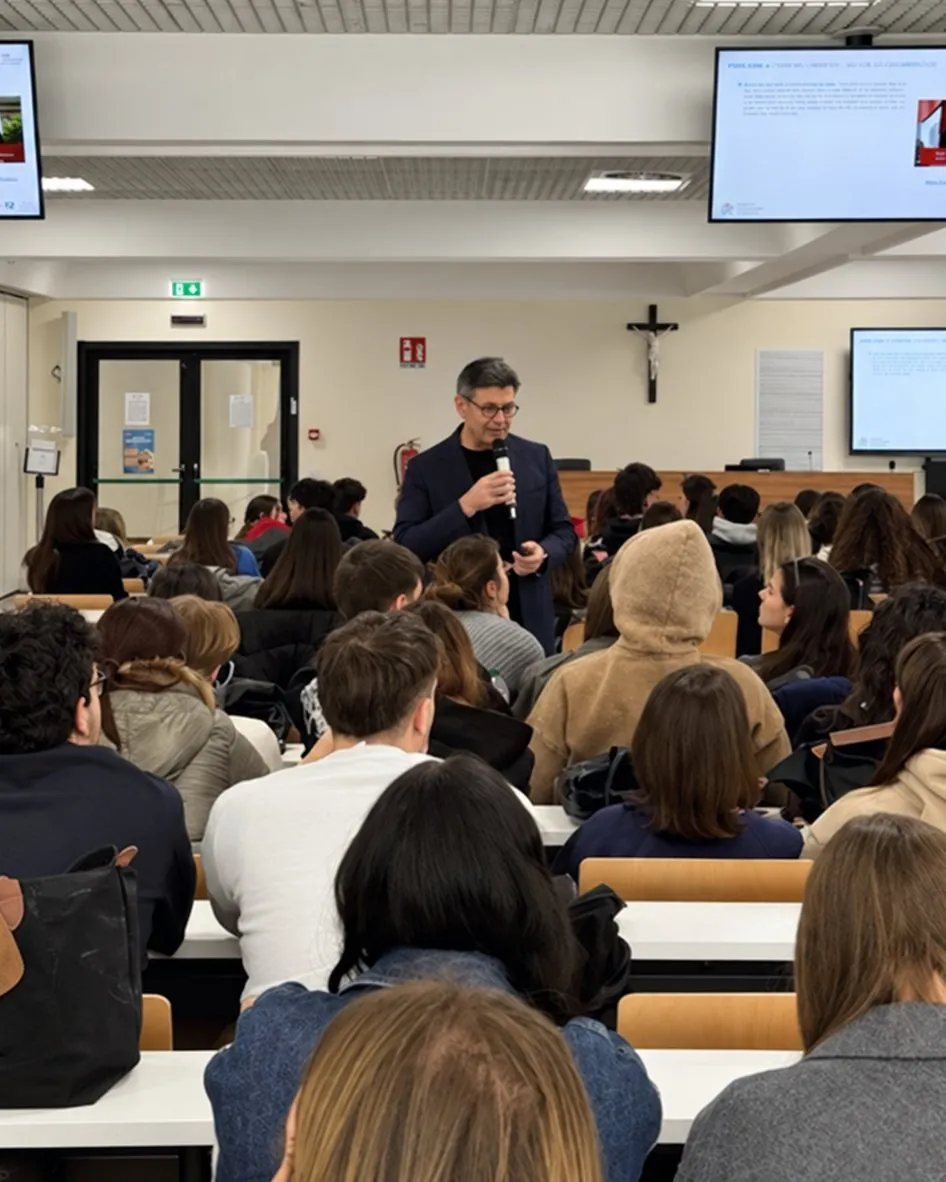
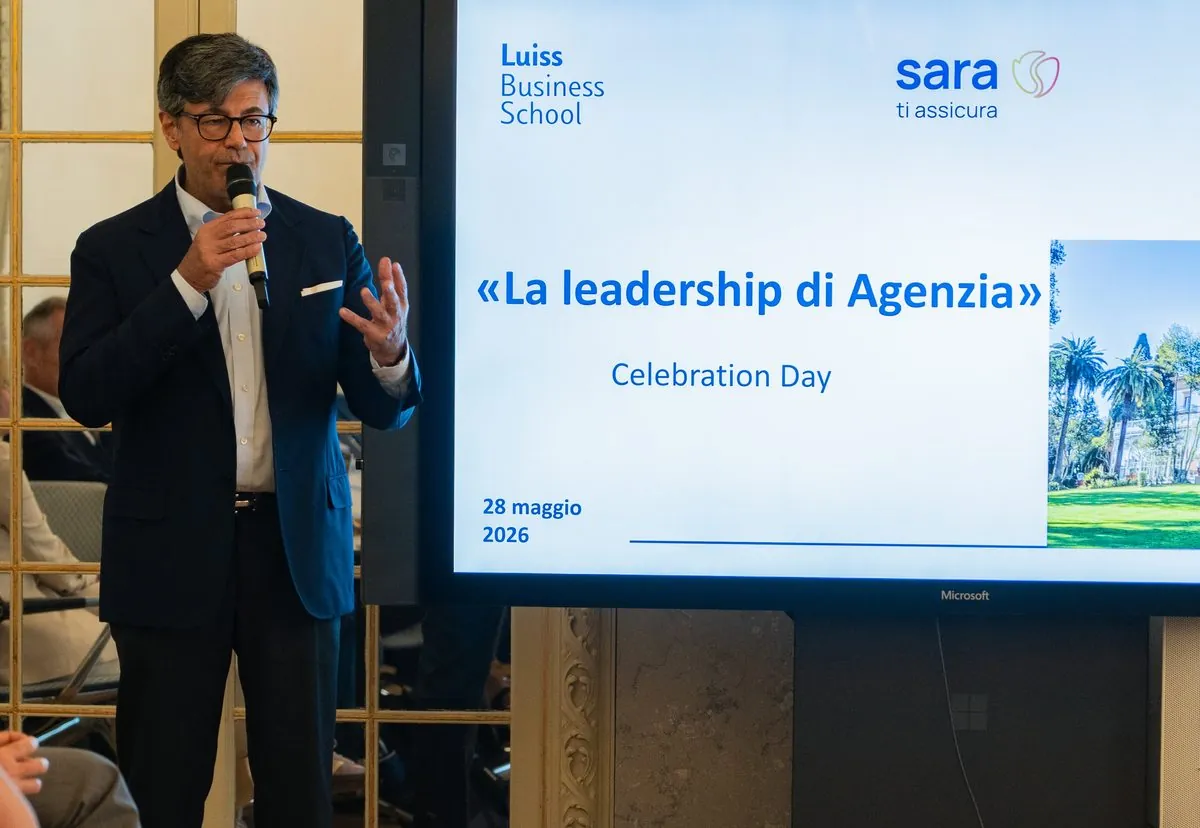
Pier Paolo Bucalo speaking on a panel at the Innovation Training Summit 2024 Pier Paolo Bucalo presenting La leadership di Agenzia A full conference room during a talk by Pier Paolo Bucalo

Appearances

Stages and conversations

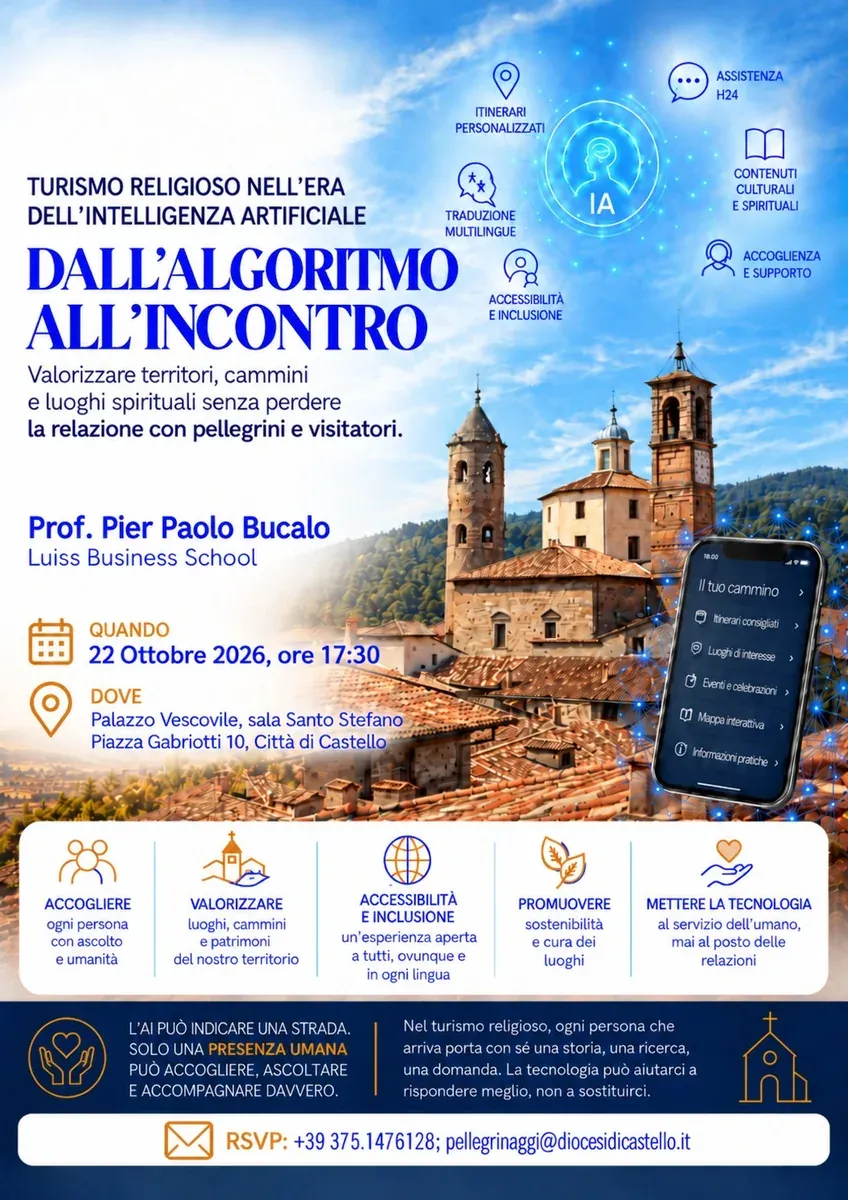
Event poster

22 Oct 2026 · Città di Castello Upcoming

From Algorithm to Encounter: Religious Tourism in the Age of Artificial Intelligence

Speaker · Palazzo Vescovile, Sala Santo Stefano · 17:30

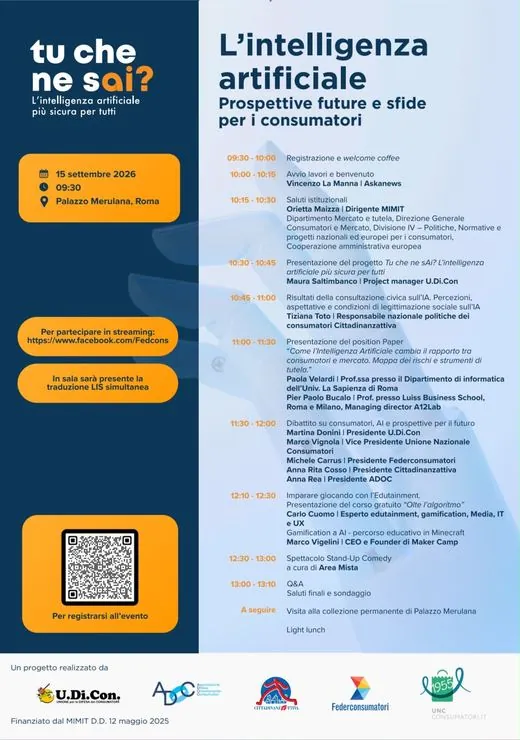
Event poster

15 Sep 2026 · Rome

Artificial Intelligence: Future Perspectives and Challenges for Consumers

Speaker · Palazzo Merulana

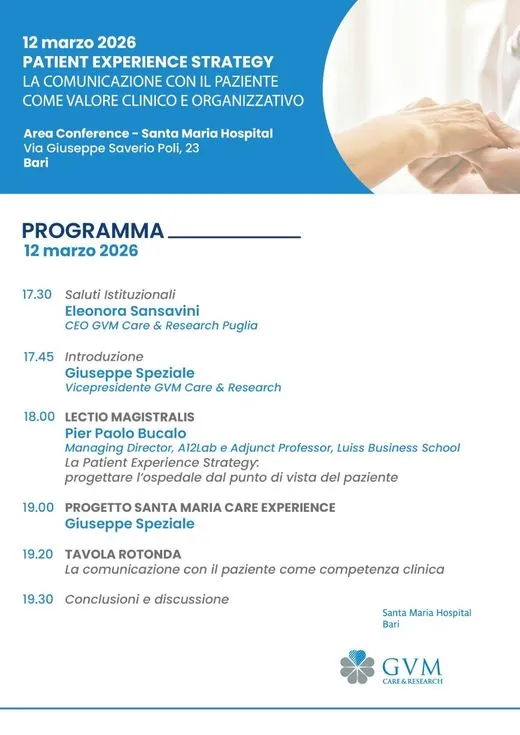
Event programme

12 Mar 2026 · Bari

Patient Experience Strategy

Guest lecture · GVM Care & Research · Santa Maria Hospital

Event poster

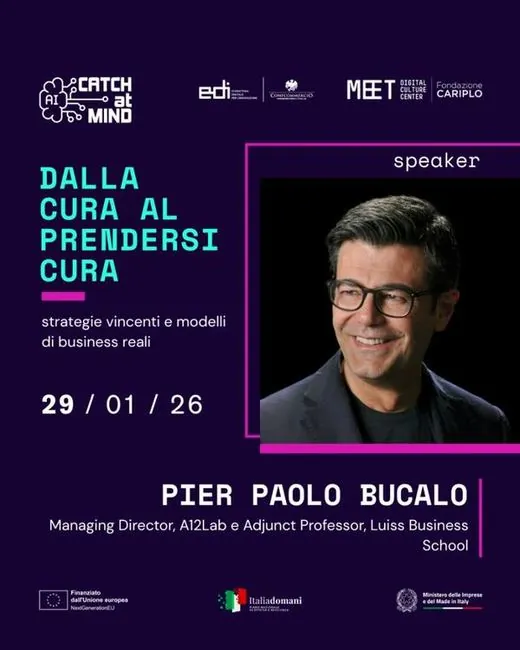
29 Jan 2026 · Milan

From Curing to Caring

Keynote Speaker · EDI / Confcommercio · MEET Digital Culture Center · Fondazione Cariplo

Event poster

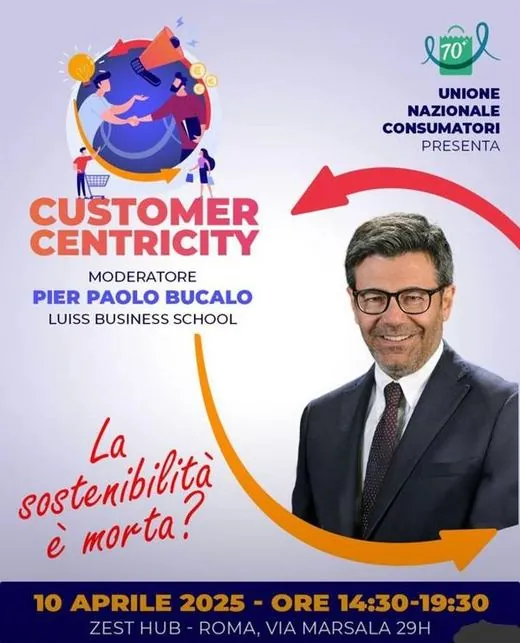
10 Apr 2025 · Rome

Customer Centricity: Is Sustainability Dead?

Moderator · Unione Nazionale Consumatori · Zest Hub

Event poster

19 Mar 2025 · Rome

Social Responsibility and Leadership

Speaker · Università Europea di Roma

Event poster

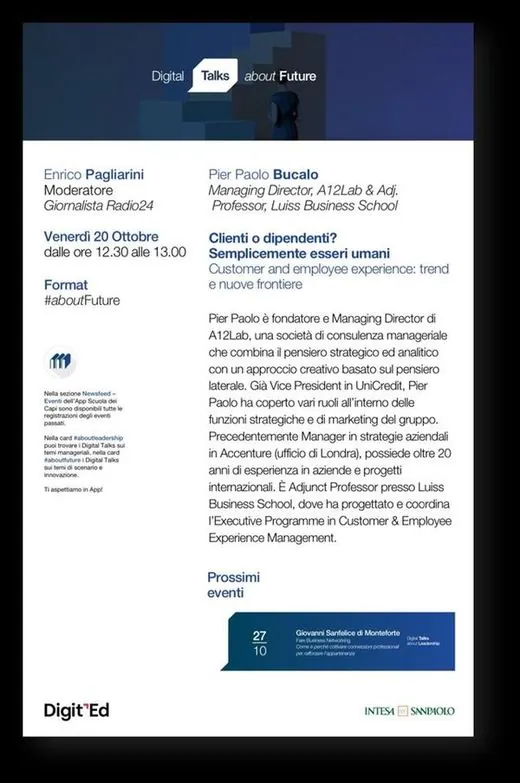
20 Oct 2023 · Online

Customers or Employees? Simply Human Beings

Keynote Speaker · DigitEd / Intesa Sanpaolo

Event poster

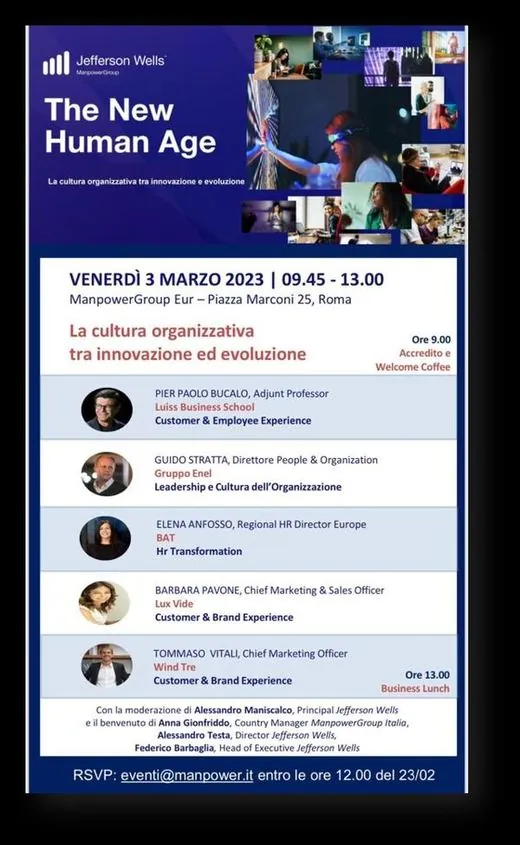
3 Mar 2023 · Rome

Organisational Culture Between Innovation and Evolution

Speaker · Jefferson Wells / ManpowerGroup

Event poster

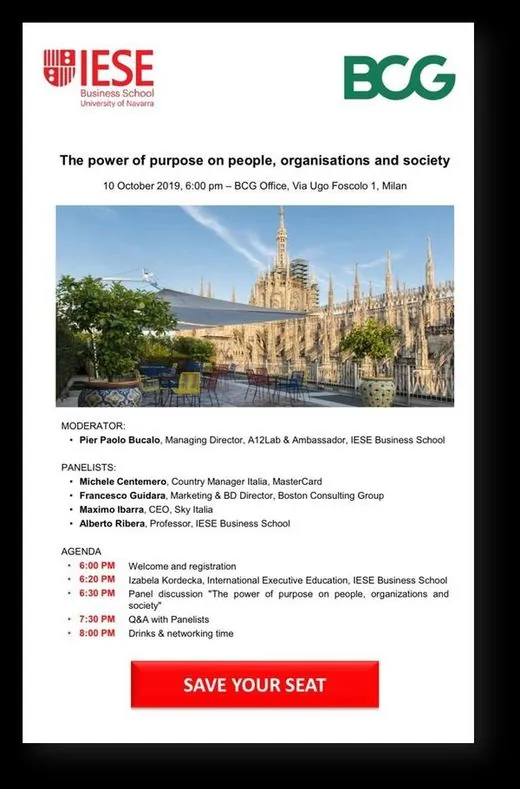
10 Oct 2019 · Milan

The Power of Purpose on People, Organisations and Society

Moderator · IESE Business School / Boston Consulting Group

Profile

Education and experience

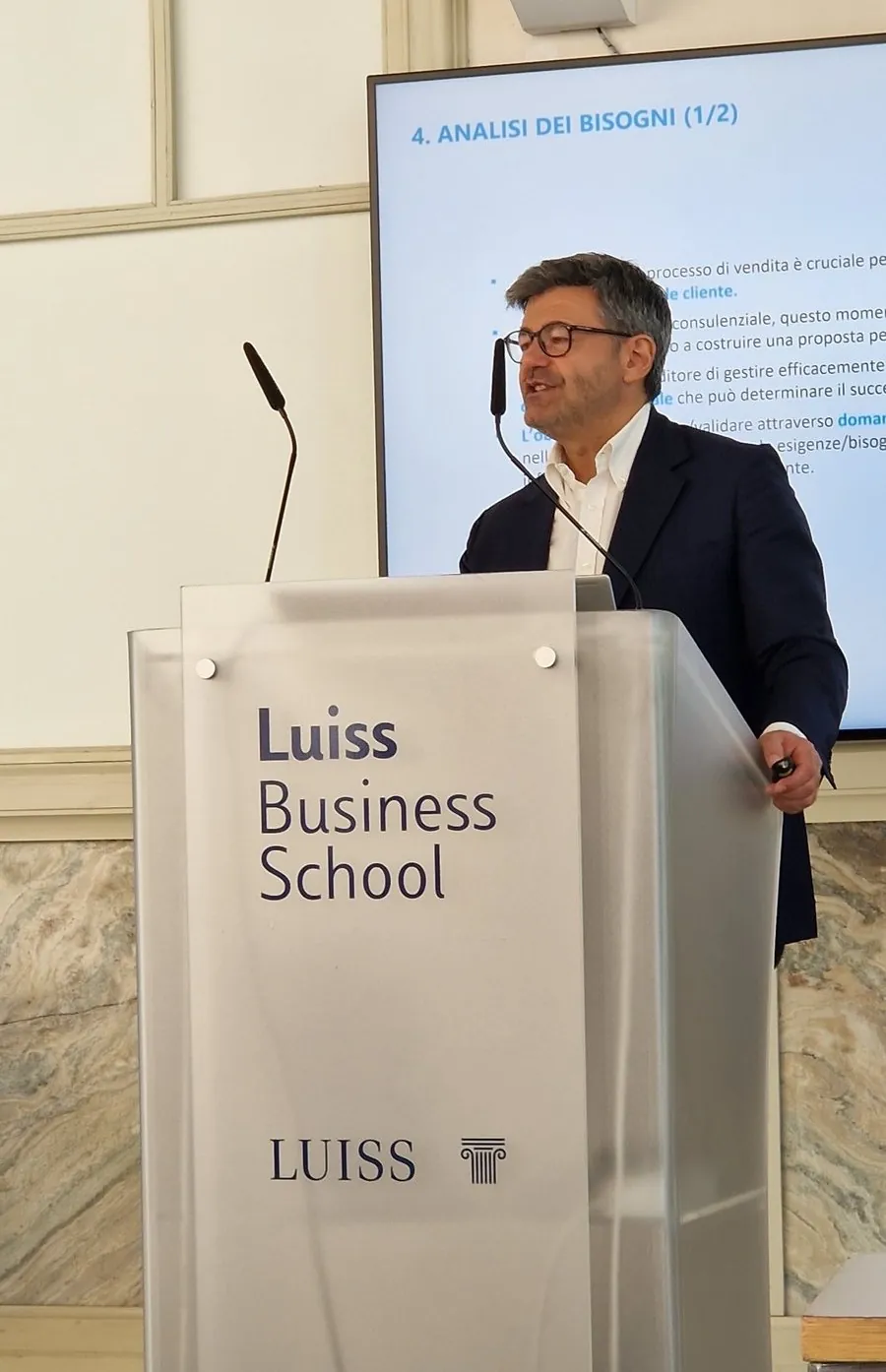
Pier Paolo Bucalo speaking at Luiss Business School

Pier Paolo Bucalo has spent much of his career working in strategy, marketing and sales. Over the years, he has come to recognise that strong business performance can only be sustained over time when both employees and customers are satisfied. This conviction guides his leadership style and human experience work.

“What we do matters. But how we do it shapes people’s experiences and, over time, our results.”

He is Managing Director of A12Lab, a consulting firm specialising in strategy, people and marketing, and Adjunct Professor at Luiss Business School, where he designed and coordinates the Executive Programme in Customer & Employee Experience Management and serves as Scientific Director of the Master in Marketing & Customer Experience Management.

Previously, he served as Country Manager Italy for IAG Loyalty, Vice President Marketing & Partnerships at UniCredit, and Strategy Manager at Accenture in London.

At CDP Venture Capital, he chairs the Advisory Board of the VenturItaly II Fund of Funds and serves on the Investment Committee of the Technology Transfer II Fund. He is also an Expert Evaluator for the European Commission’s Research Executive Agency.

He graduated with highest honours in Economics and Political Science and holds a PhD in Economics from the University of Rome “La Sapienza”. He also holds an MBA from the Rotterdam School of Management and completed a Senior Executive Programme at IESE Business School in New York.

He is fluent in Italian, English and Spanish.

References

Trusted by

  • Acea
  • Acinque Energia
  • BNL
  • Ferrovie dello Stato
  • GVM Care & Research
  • Intesa Sanpaolo
  • Jefferson Wells
  • Luiss Business School
  • LUMSA University
  • Mondo Convenienza
  • SACE
  • Sara Assicurazioni
  • Tinexta
  • Unione Nazionale Consumatori
  • Unipol

Beyond work

Pier Paolo devotes time and energy to entrepreneurial and non-profit initiatives that share one goal: helping people grow and making a positive contribution to society.

He co-founded 123buffet.com, a benefit corporation combining entrepreneurship and social responsibility. He also works pro bono as advisor and executive trainer with E4Impact Foundation, supporting African entrepreneurship, and mentors women’s professional development through PWN Rome. He served for six years (2016-2022) on the Board of Directors of TFOS, a Boston-based international non-profit devoted to ocular health.

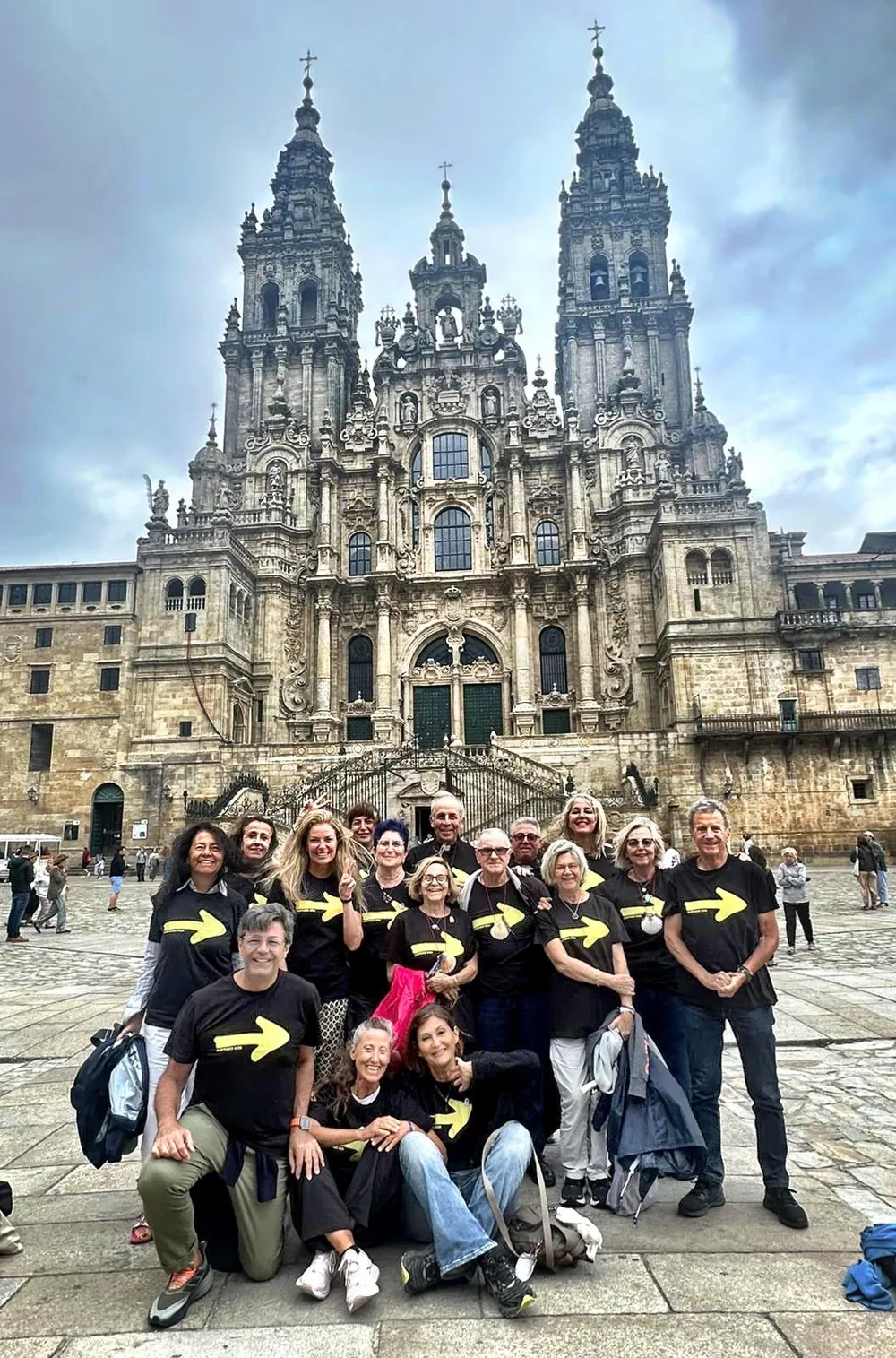
His interests range from sport to music: he plays football and padel, enjoys sailing, hiking and chess, and plays piano and guitar. He has reached the summit of Kilimanjaro and walked the Camino de Santiago, two experiences that reflect his love of travel, discovery and personal challenges.

Contact

Pier Paolo is available for keynotes, panels, guest lectures and executive training, as well as facilitating workshops and corporate off-sites, in Italian, English and Spanish.